- About Us
- Fertility
- IVF Centre in Bangalore
- IUI Treatment in Bangalore
- ICSI Treatment Centre in Bangalore
- FET Centre in Bangalore
- Colposcopy Center in Bangalore
- Egg freezing Center in Bangalore
- Gynaecologic Oncology
- Hysteroscopy
- Laparoscopy
- PESA
- TESA
- Sperm Freezing
- Ultrasonography
- Endometriosis Surgery in Bangalore
- Gynaecology
- Uterine Fibroid Treatment
- Ectopic Pregnancy
- High-Risk Pregnancy
- Laparoscopic Hysterectomy
- Azoospermia
- Dr. Shilpa G B
- Blog
- Contact us


Endometriosis is a chronic condition that affects many women of reproductive age, often characterised by chronic pelvic pain and infertility. However, the intersection of endometriosis Treatment and pregnancy, particularly in the first trimester, presents a unique set of challenges and considerations.
This article aims to explore the implications of endometriosis on early pregnancy, examining the symptoms, potential complications, and management strategies to ensure the health and well-being of both the mother and developing foetus.
We hope to provide valuable insights for pregnant mothers affected by this condition.
Can You Have Endometriosis While Pregnant?
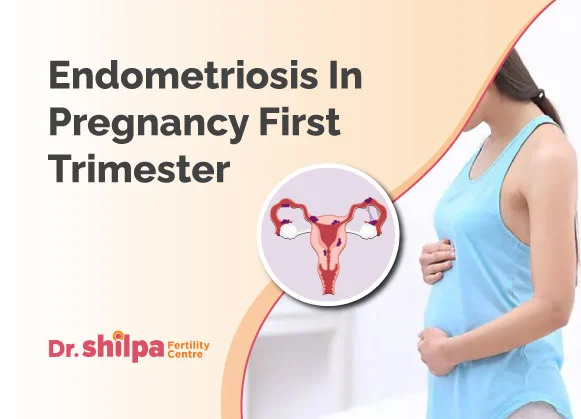
Yes, it is possible to have endometriosis while pregnant. Although many women with endometriosis may face challenges in conceiving, it does not preclude pregnancy altogether.
During pregnancy, the hormonal changes, particularly the increase in progesterone, can often alleviate some of the symptoms of endometriosis.
However, this does not mean the condition is cured. Endometriotic lesions can remain, and some symptoms, such as pain, might persist or even worsen for certain individuals.
It’s important for pregnant women with a history of endometriosis to maintain regular consultations with their endometriosis specialist & obstetrician to monitor their condition and manage any potential complications effectively.
What Causes Endometriosis in Pregnancy First Trimester?
Endometriosis is primarily influenced by hormonal fluctuations, with oestrogen playing a significant role in the proliferation and maintenance of endometrial tissue.
During the first trimester of pregnancy, hormone levels, particularly oestrogen and progesterone, undergo substantial changes, which may impact endometriosis in various ways. While these hormonal shifts can provide some relief to women suffering from endometriosis due to the suppression of ovulation, they can also exacerbate symptoms for others.
The increase in blood flow and fluid retention associated with early pregnancy can lead to inflammation and swelling of endometrial implants, potentially causing pain and discomfort. Additionally, the immune system undergoes adaptations to support and protect the developing foetus, which may affect the activity and growth of endometrial tissue.
Understanding the intricate relationship between pregnancy hormones and endometriosis is key to managing the condition effectively during the first trimester.
Is Endometriosis Dangerous During Pregnancy?
While endometriosis is a condition that can present challenges, having the condition does not necessarily mean that pregnancy will be dangerous. However, it does warrant careful monitoring and management due to certain associated risks.
Women with endometriosis may face an increased risk of complications such as preterm birth, preeclampsia, and placenta previa. The adhesions and scar tissue caused by endometriosis can also potentially interfere with the growing uterus and affect the position of the foetus.
Moreover, women with a history of endometriosis may experience more intense pelvic pain during pregnancy, which can complicate the pregnancy experience. It is crucial for expectant mothers with endometriosis to work closely with their specialist to develop a management plan that addresses both the symptoms of endometriosis and the needs of the pregnancy.
Regular prenatal care, along with appropriate pain management and monitoring for any signs of complications, can help ensure a safe and healthy pregnancy for both mother and baby.
Can Endometriosis Affect the Foetus?
While endometriosis primarily affects the mother’s reproductive organs and pelvic region, it can have indirect effects on the foetus.
One of the major concerns is the potential for endometriosis to contribute to pregnancy complications such as preterm birth, which can affect the baby’s development and overall health. The inflammation and scar tissue associated with endometriosis can alter the environment in the uterus, potentially impacting the foetus’s growth and positioning.
Additionally, conditions like preeclampsia, which have been associated with endometriosis, can lead to restricted blood flow to the placenta, posing risks to the foetus, including low birth weight and other developmental challenges.
However, it is essential to note that every pregnancy is unique, and many women with endometriosis have healthy pregnancies and babies. Continuous monitoring, medical support, and personalised care plans are crucial to mitigate any risks and ensure both mother and baby are well cared for throughout the pregnancy.
Will Endometriosis Go Away After Pregnancy?
Pregnancy can temporarily alleviate some of the symptoms of endometriosis due to the hormonal changes it induces. Elevated levels of progesterone during pregnancy can suppress the growth of endometrial tissue, leading to reduced pain and other symptoms.
However, these improvements are usually temporary. After childbirth and the return of regular menstrual cycles, endometriosis symptoms are likely to recur. It is a chronic condition, and while pregnancy can provide a reprieve for some women, it does not cure endometriosis.
Long-term management of endometriosis often requires a combination of treatment options tailored to the individual’s specific needs and symptoms. These may include hormonal therapies, pain relief strategies, surgical interventions, and lifestyle adjustments.
It’s essential for women to have ongoing conversations with their doctor about how to best manage endometriosis before, during, and after pregnancy.
Best Endometriosis Specialist in Bangalore
For those seeking expert care, our clinic is home to the best endometriosis specialists in Bangalore. With extensive experience and a patient-focused approach, our specialists provide advanced treatments and compassionate care to help you manage your condition effectively.
Conclusion
Endometriosis is a complex and chronic condition that affects many aspects of a woman’s life, including her reproductive health. While pregnancy may offer temporary relief from symptoms, it is not a permanent solution. Effective, long-term management of endometriosis requires a comprehensive and tailored approach.
If you’re dealing with endometriosis and are seeking expert care, don’t hesitate to consult us for endometriosis treatment in Bangalore. Our experienced team is dedicated to providing personalised treatment plans to help you manage your condition and improve your quality of life.