
- About Us
- Fertility
- IVF Centre in Bangalore
- IUI Treatment in Bangalore
- ICSI Treatment Centre in Bangalore
- FET Centre in Bangalore
- Colposcopy Center in Bangalore
- Egg freezing Center in Bangalore
- Gynaecologic Oncology
- Hysteroscopy
- Laparoscopy
- PESA
- TESA
- Sperm Freezing
- Ultrasonography
- Endometriosis Surgery in Bangalore
- Gynaecology
- Uterine Fibroid Treatment
- Ectopic Pregnancy
- High-Risk Pregnancy
- Laparoscopic Hysterectomy
- Azoospermia
- Dr. Shilpa G B
- Blog
- Contact us


Yes, endometrial polyps can potentially affect fertility.
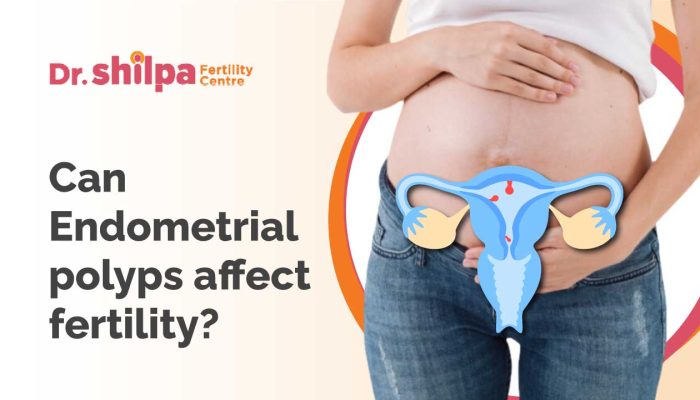
Endometrial polyps are overgrowths of tissue in the lining of the uterus (the endometrium). They can vary in size and number and may cause irregular bleeding or heavy menstrual periods.
Let’s discuss more on this topic.
Endometrial polyps can interfere with fertility by affecting the implantation of an embryo. If a polyp is located near the opening of the fallopian tubes, it might also block the passage of sperm or an egg, making fertilization difficult.
However, not all women with endometrial polyps experience fertility issues. The impact of polyps on fertility largely depends on their size, location, and number.
Treatment options, such as hysteroscopic polypectomy, can help remove polyps and improve fertility outcomes in some cases.
If you suspect you have endometrial polyps or are experiencing fertility issues, it’s essential to consult a healthcare professional for a proper evaluation and personalized advice.
Chances of Conceiving after Removing an Endometrial Polyp
The chances of conceiving after removing an endometrial polyp can vary depending on several factors, including age, overall health, and the presence of any other fertility issues.
However, studies have shown that the removal of endometrial polyps (hysteroscopic polypectomy) can improve fertility outcomes for some women.
A study published in the journal “Fertility and Sterility” found that women who had removed endometrial polyps experienced a significant increase in pregnancy rates compared to those who did not have the polyps removed.
The pregnancy rate after polyp removal was 63.3%, while the rate for those who did not undergo the procedure was 28.1%.
It’s important to note that individual circumstances can influence the likelihood of conceiving after polyp removal.
Consulting with a healthcare professional or fertility specialist in Bangalore is essential to get personalized advice based on your specific situation.
Treatment Options Used to Treat Endometrial Polyps
There are several treatment options for endometrial polyps, depending on factors like size, location, number of polyps, and whether they cause symptoms or affect fertility.
A fertility specialist will recommend the most appropriate treatment based on your specific situation. Some common treatment options include:
- Watchful Waiting :
If the polyps are small, asymptomatic, and not causing any issues with fertility, a doctor may suggest monitoring the polyps without any active intervention.
- Medication :
Hormonal medications, such as progestins or gonadotropin-releasing hormone agonists, can help manage the symptoms of endometrial polyps in some cases.
However, medications may not be a long-term solution, as polyps often recur once the treatment is stopped.
- Hysteroscopic Polypectomy :
This is the most common surgical procedure to remove endometrial polyps. A thin, lighted instrument called a hysteroscope is inserted through the vagina and cervix into the uterus.
The surgeon then uses specialized instruments to remove the polyps. This procedure is typically performed on an outpatient basis and has a relatively short recovery time.
- Curettage :
In some cases, a healthcare provider may perform a dilation and curettage (D&C) to remove endometrial polyps.
This procedure involves dilating the cervix and using a curette (a spoon-shaped instrument) to scrape away the polyps.
However, hysteroscopic polypectomy is generally preferred, as it allows for better visualization and more precise removal of the polyps.
It’s essential to consult a fertility specialist to discuss the most appropriate treatment option for your specific situation.
Also, Read- Difference between IVF and ICSI
conclusion
In conclusion, endometrial polyps are overgrowths of tissue in the uterus lining that can potentially affect fertility. Several treatment options are available.
The most appropriate treatment depends on factors like the size, location, and number of polyps, as well as the presence of symptoms or fertility issues.
It’s essential to consult a gynecologist or a fertility specialist to determine the best course of action for your specific situation.